
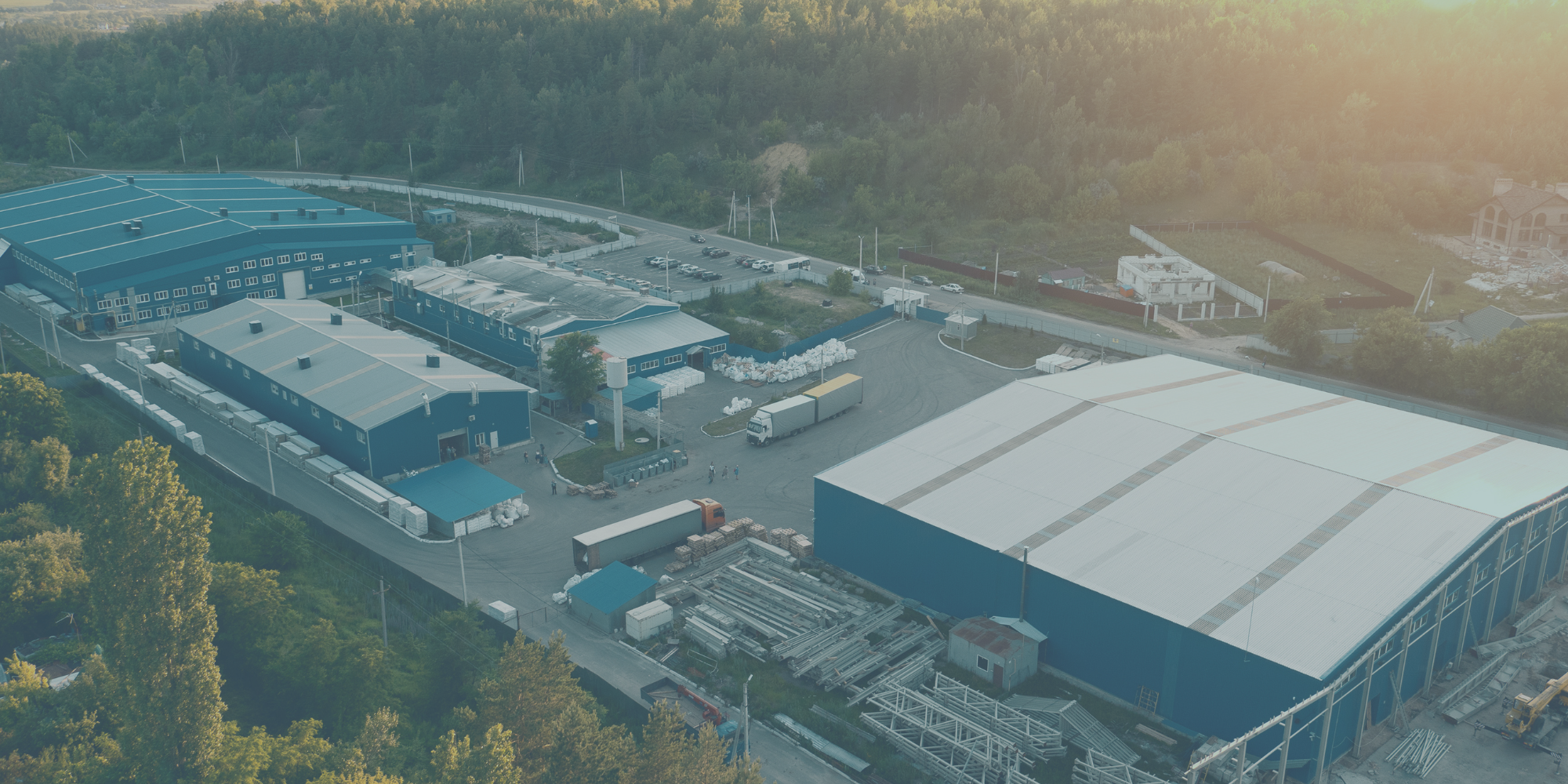
The continued growth of the industrial and logistics sector is having a significant impact on land values across the UK.
Over the past several years, demand for warehouse and distribution space has moved from being a niche investment trend to one of the strongest structural shifts within the commercial property market. What was once viewed as a purely operational asset class is now central to investment, development and land acquisition strategy.
As occupier demand continues to evolve, land suitable for industrial and logistics use is becoming increasingly valuable, particularly in locations with strong infrastructure, transport connectivity and limited supply.
For landowners, investors and developers, understanding what is driving this demand has become essential when assessing both current value and future opportunity.
Why Industrial and Logistics Demand Remains Strong
The warehouse sector has benefited from several long-term structural changes that continue to reshape occupier requirements.
E-commerce growth remains a major factor, but it is no longer the only driver. Businesses across multiple sectors are rethinking supply chains, distribution models and operational resilience, increasing demand for:
- Regional distribution hubs
- Last-mile logistics facilities
- Flexible industrial units
- Urban warehousing and trade space
At the same time, many occupiers are seeking modern, energy-efficient facilities that support operational performance and sustainability targets.
This has created particularly strong demand for well-located sites capable of accommodating modern industrial requirements.
Supply Constraints Are Driving Land Values Higher
One of the most important dynamics within the sector is the shortage of suitable development land.
Across many parts of the UK, there is limited availability of:
- Strategically located industrial land
- Sites with strong transport access
- Large-scale logistics development opportunities
- Well-positioned urban industrial space
Planning constraints, infrastructure limitations and competing land uses continue to restrict supply in many high-demand areas.
As a result, land values in industrial and logistics corridors have risen significantly, particularly around:
- Major motorway networks
- Regional distribution hubs
- Ports and freight corridors
- High-growth regional cities
In many cases, competition for prime sites now extends well beyond traditional industrial developers, with institutional investors, funds and owner-occupiers all competing for opportunities.
The Shift Towards Regional and Secondary Markets
While prime logistics locations continue to attract strong demand, there is also increasing focus on regional and secondary markets where pricing remains comparatively accessible.
Investors and occupiers are increasingly looking beyond traditional core locations in search of:
- Better value
- Strong transport links
- Labour availability
- Future growth potential
This is creating new opportunities in regional markets where infrastructure investment and occupier demand are improving.
For landowners, this can create significant upside where assets are positioned near expanding logistics corridors or areas seeing increased industrial activity.
Why Landowners Need to Think Strategically
The warehouse boom has changed how many commercial land assets are assessed and valued.
Land that may once have been viewed as secondary or underutilised can now hold considerable strategic value depending on:
- Location
- Access and infrastructure
- Planning potential
- Nearby occupier demand
- Future development flexibility
As a result, landowners are increasingly exploring:
- Alternative use potential
- Site intensification
- Development partnerships
- Strategic land promotion
- Long-term repositioning opportunities
In many cases, maximising value is no longer simply about selling land, but understanding how the asset fits within wider industrial and logistics demand trends.
Active Asset Strategy Is Becoming More Important
As competition for industrial land increases, the market is also becoming more sophisticated.
Investors are placing greater emphasis on:
- Occupier quality
- ESG and sustainability standards
- Operational efficiency
- Flexibility of use
- Long-term income resilience
This means strategic planning and asset positioning are becoming increasingly important in determining both short-term demand and long-term value.
Owners who actively assess how their land or assets could evolve alongside market demand are often best placed to unlock stronger returns.
Looking Ahead
The growth of the warehouse and logistics sector continues to reshape the UK commercial property landscape.
While demand remains strong, the real opportunity increasingly lies in understanding where future occupier needs, infrastructure investment and land scarcity are likely to intersect.
For investors and landowners, this is not simply a trend driven by warehousing alone. It reflects a broader structural shift in how businesses operate, distribute and use space.
As the market continues to evolve, strategically positioned land is likely to remain one of the most valuable components of the commercial property sector.
If you would like to understand how industrial and logistics demand could affect your assets or identify opportunities within your portfolio, Kapital Real Estate can help you assess land strategy, positioning and long-term value potential.